 2 Geeks Web Design
Build Journal
A chronological collection of all build posts covering the construction and design of our Astromech.
Build Timeline
Every post from the project, from the earliest planning stages through dome electronics, motor controller testing, and the droid's first drive. Follow along in order below.
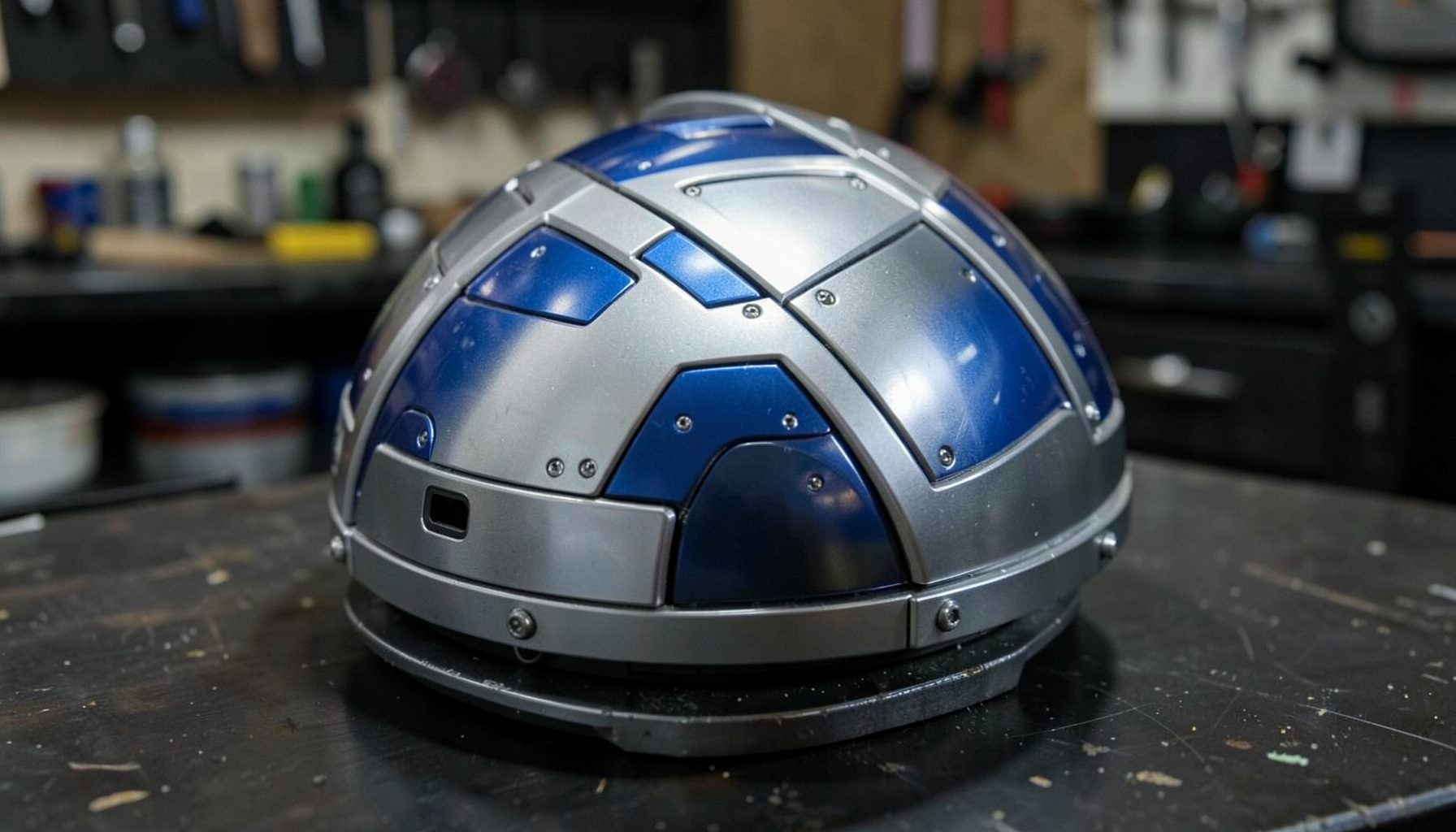
Dome Electronics Pt. 1: Building CuriousMarc's Marcduino Dome Control System
Installing and configuring the Marcduino board to manage dome panel animation, lighting cues, and sound. This post covers the Oshpark-sourced board, DigiKey component orders, and integration with the dome hinge set.
The build journal on this site serves as a living archive of a creative project from conception to completion. Every entry captures a moment in the process, preserving both the triumphs and the setbacks that come with hands-on engineering and design. For anyone interested in how a complex creation comes together, reading through these posts offers a genuine behind-the-scenes look at the patience, problem-solving, and craftsmanship involved. The posts are arranged chronologically so visitors can follow the natural progression of the work, watching ideas evolve into something real and functional over time.
Documentation is often the unsung hero of any ambitious build, and this journal treats it with the seriousness it deserves. Each post records not just what was done, but the reasoning behind the choices made along the way. This approach serves two purposes: it creates a valuable reference for future work, and it gives readers a clear window into the decision-making process. Whether someone is a fellow enthusiast, a curious beginner, or simply someone who appreciates seeing a project through from start to finish, the journal offers something meaningful at every stage of the story.
The entries reflect a thoughtful balance between technical depth and accessible writing. Wiring diagrams, component choices, and software configuration are explained in a way that respects the complexity of the work without losing readers who may not be experts. This makes the journal useful both as a practical resource and as an engaging narrative. The tone stays consistent throughout, mixing honest assessments of challenges with genuine enthusiasm for the progress being made. It is this combination of rigor and warmth that makes the chronicle worth returning to again and again.
Beyond the technical details, the journal captures the spirit of building something by hand in a digital age. It celebrates the satisfaction of soldering a connection, testing a circuit, and watching a mechanism move for the first time. For the designers behind this site, the build is not just a hobby but a reflection of their broader philosophy: that thoughtful, deliberate creation matters. That same care and attention to detail carries over into their web design work, where every layout, color choice, and typographic decision is made with intention and purpose.
Lighting Up the Dome, Part 1: Building the Teeces 3.2 Logic Display and PSI System
Assembling the Teeces 3.2 board set for the dome's front and rear logic displays and the PSI (Processor State Indicator). Covers soldering, LED placement, and initial power-up testing.
Artoo's First Steps: Testing His Differential Drive System via RC
The first successful drive test using the differential drive setup with scooter motors, Pololu 18v25 controllers, and an RC transmitter. The droid moved under its own power for the first time.
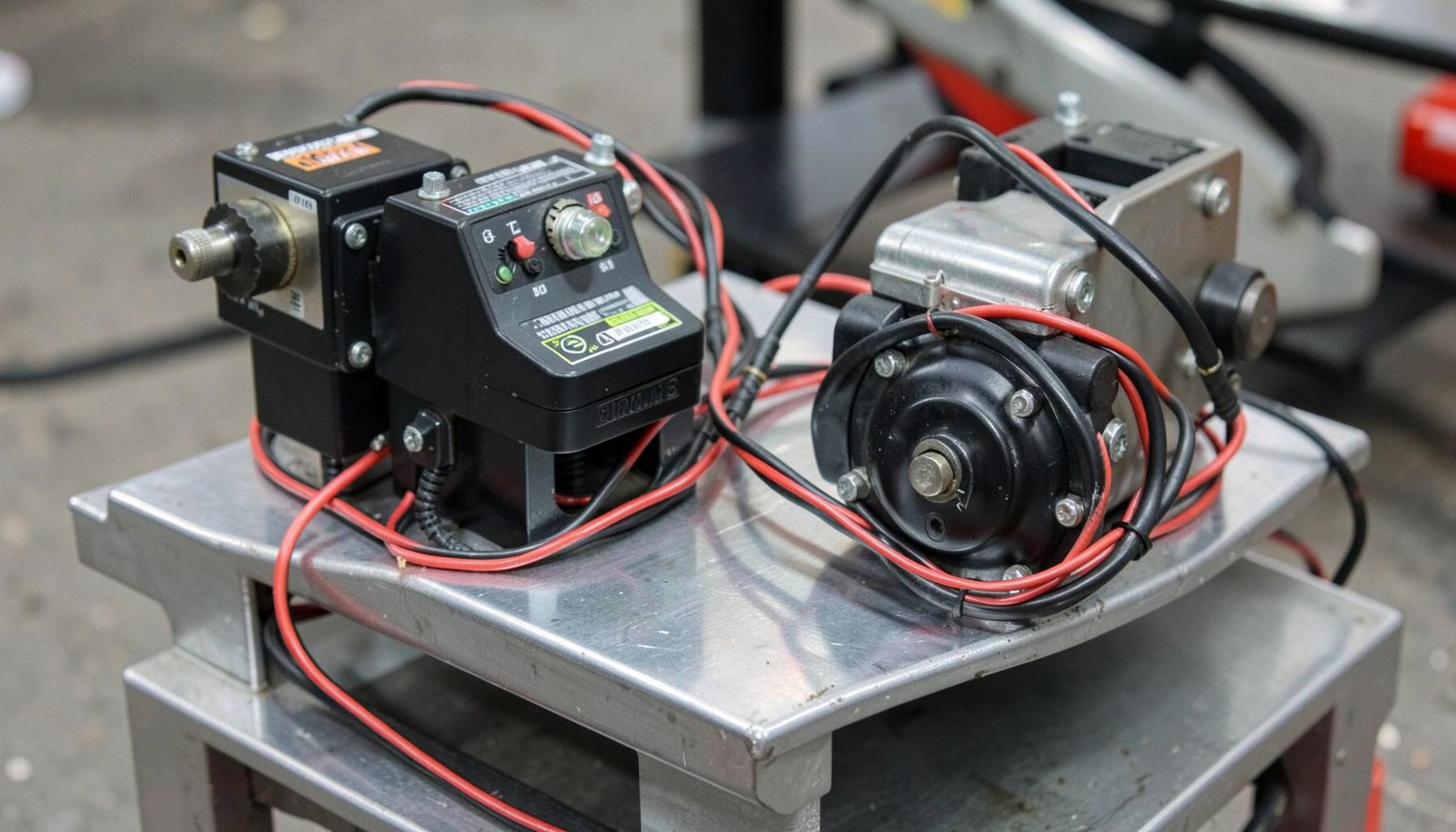
Testing My Syren 10 and Pololu 18v25 Motor Controllers with Drive Motors… I Went 2–3 with a Huge Strike Out!!
Bench-testing the Syren 10 (dome rotation) and two Pololu 18v25 controllers (foot drives). Two controllers performed well; one failed and required replacement.
Figuring It All Out!
The very first build post. Researching parts, studying Astromech.net community builds, and laying out the initial plan for a life-size RC R2-D2.
By the Numbers
Explore by Category
Build posts are also organized by subsystem. Dive into a specific area of the project:
- The Dome — Logic displays, holo light boards, Marcduino control, and panel animation.
- The Electronics — Motor controllers, RC binding, lighting micro-controllers, and drive electronics.
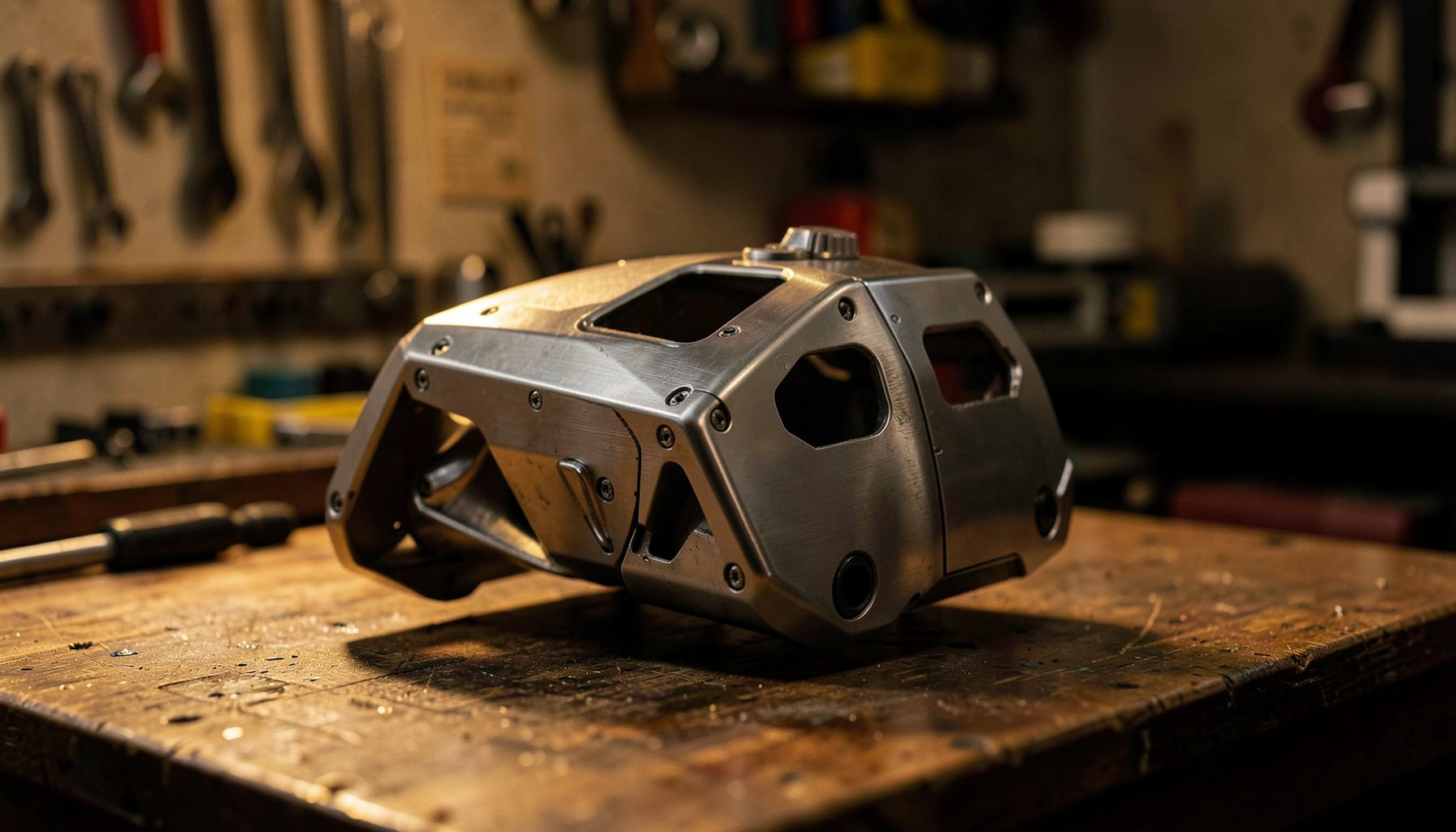
- The Body — Frame planning, aluminum and steel parts, and Astromech.net community research.
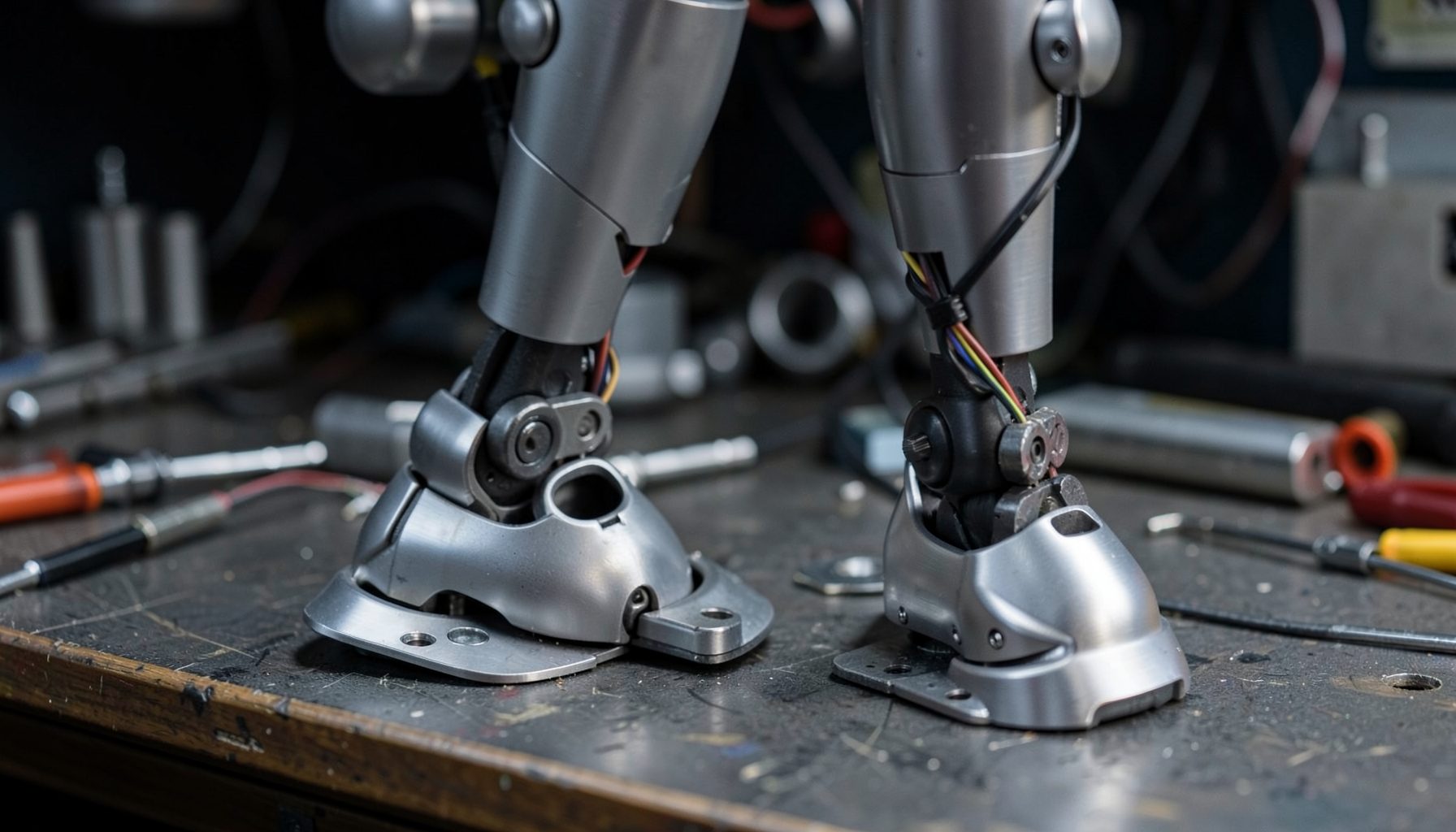
- The Legs — Differential drive, scooter motors, Pololu foot controllers, and Midwest R2 Builders Club DDR drives.
- Parts Rundown — The full 77-part inventory with sources for dome, body, legs, and electronics.