 2 Geeks Web Design
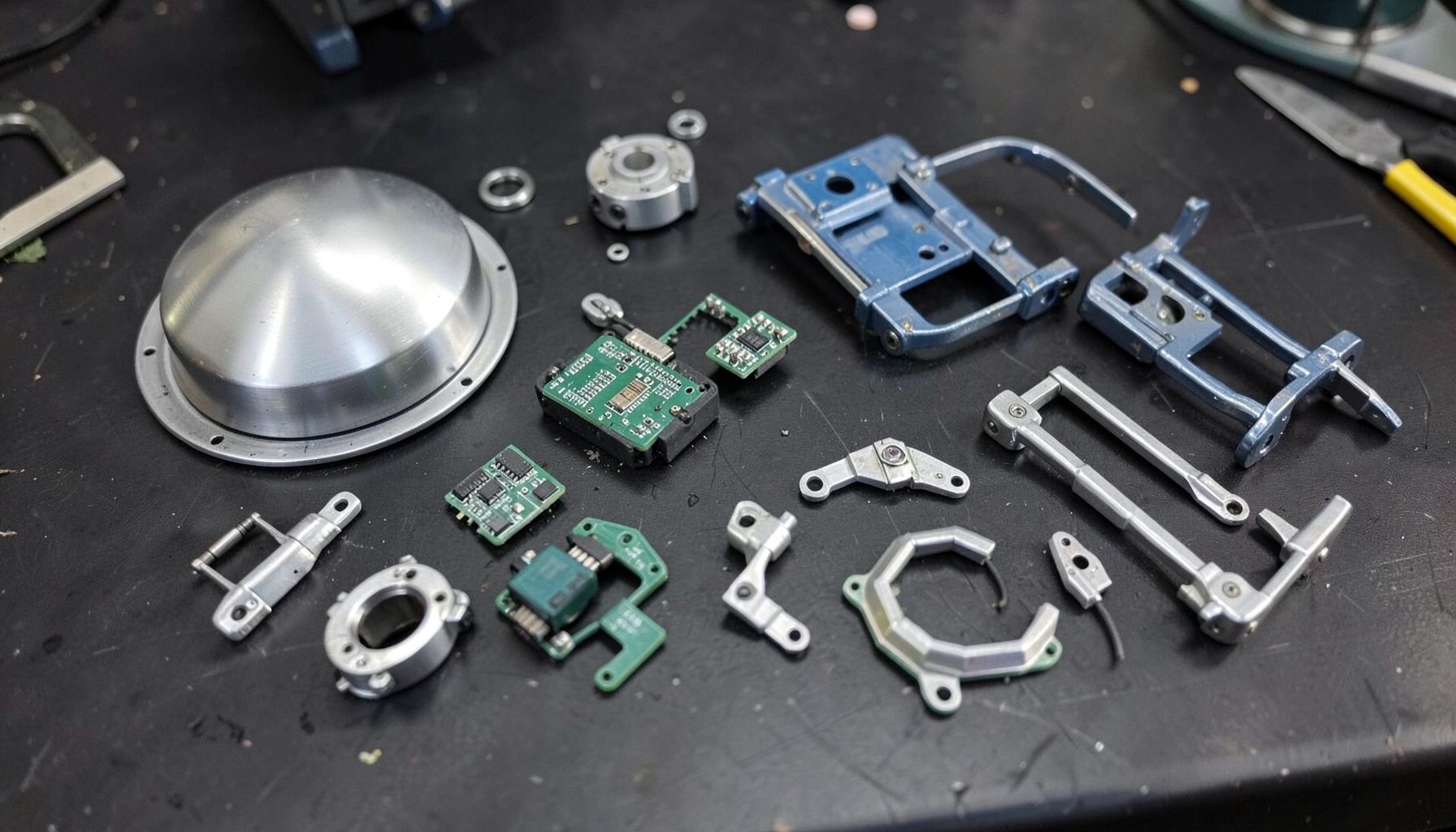
Parts Rundown
A comprehensive listing of parts used in the astromech build, organized by section, with sources and descriptions.
Project Astromech Parts Rundown
Building a life-size RC R2-D2 droid requires sourcing components across dome, body, legs, and electronics. Below is the complete parts list as documented during the build, with sources noted where available.
Dome Parts
- Daren Murrer's 300mm Dome — Hydroformed and laser-cut 6061 aluminum dome, built to Builder's Club specs. Source: 300mmdome.com
- Kevin Holme Ultimate Dome Hinge Set — For animating dome panels with servo-controlled hinges
Dome Electronics
- Teeces 3.2 Logic Display and PSI System — Dome lighting logic and display boards. Source: CuriousMarc
- CuriousMarc Marcduino Dome Control System — Dome automation and control. Source: curiousmarc.com
- CuriousMarc Holo Light Boards — Assembled holo light units. Source: curiousmarc.com
Body
- Lazy Susan Heavy-Duty Swivel — For dome rotation. Source: Rockler
- Aluminum and steel frame components — Sourced per Astromech.net community recommendations
Body Electronics
- J.E.D.I. Controller System — Central control system. Source: jedicontrol.com
- Syren 10 Motor Controller — Dedicated to dome rotation drive
Legs
- Midwest R2 Builders Club DDR Foot Drives — Differential drive foot assemblies
- Scooter motors — For propulsion in the differential drive system
Leg Electronics
- Pololu Simple High-Power 18v25 Motor Controllers — For foot drive motors. Source: SparkFun
- RC Transmitter and Receiver — For radio control of locomotion
Other Electronics
- SparkFun accessories — Various connectors, wiring, and supporting components. Source: SparkFun
- Micro-controllers and supporting boards — For lighting and dome automation
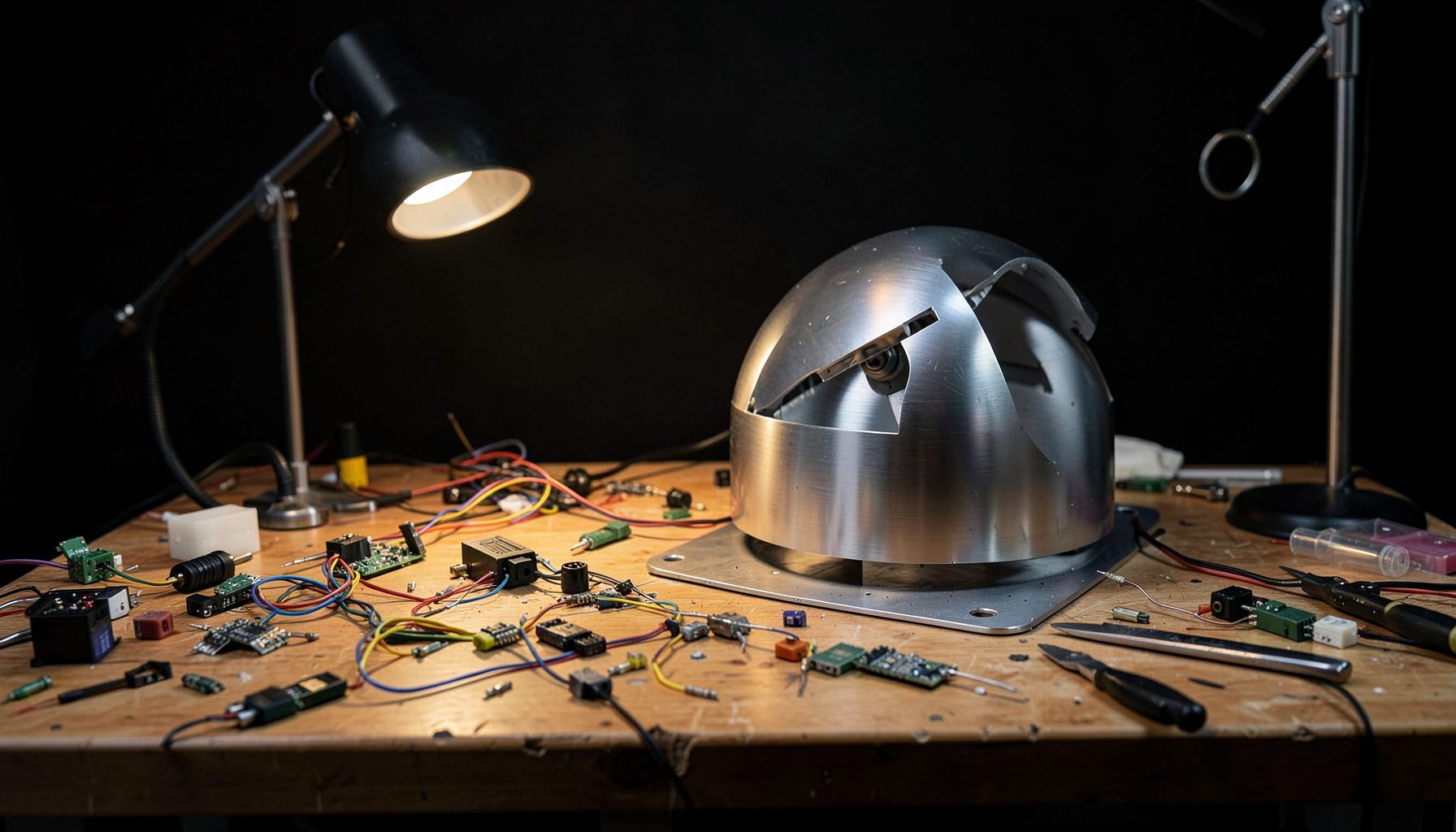
Explore the Build
Each part fits into a larger subsystem. Dive into the detailed build posts for each section of the droid:
- The Dome — Dome construction, lighting displays, and panel animation
- The Body — Frame, body construction, and dome rotation
- The Legs — Leg assemblies, foot drives, and propulsion
- The Electronics — Motor controllers, RC configuration, and lighting systems
- Build Journal — Full chronological timeline of all build posts
Web Hosting and Design For Project Astromech Provided by:
2 Geeks Web Design — Affordable Custom Web Design & Development in Princeton, IL
Learn more about our web design services
Building an astromech droid is as much about careful sourcing as it is about fabrication. Every component, from the dome down to the drive motors, requires research to ensure it meets the right specifications and fits the overall design. The parts rundown serves as a living document that captures the choices made along the way, so that both the builder and anyone following the project can understand what went into the machine and why. It also makes future repairs and upgrades far more straightforward, since every piece is accounted for in one place.
The dome section represents one of the most recognizable aspects of any R2-style droid, and it demands precision. A hydroformed aluminum dome provides the correct shape and rigidity, while the hinge hardware allows the dome panels to animate with a satisfying mechanical motion. Fasteners, standoffs, and internal mounting brackets all play a supporting role, ensuring that the electronics and servos inside remain secure. Sourcing these parts from specialized builders and suppliers often means waiting for production runs, which adds a layer of patience to the build process.
The body and legs require a mix of purchased components and custom fabrication. Frame rails, skin panels, and structural supports are often cut or formed to match the original film references, while off-the-shelf items like wheels, bearings, and fasteners fill in the gaps. The leg mechanisms, in particular, need to balance strength with weight so the droid can move smoothly without straining its drive system. Documenting the source for each part helps other builders replicate the design or make informed substitutions based on their own resources and tools.
Electronics tie the entire droid together, turning a static shell into a moving, interactive machine. Controllers, motor drivers, sound boards, and power systems must all be selected to work as a cohesive unit, with wiring routed cleanly through the frame. The parts rundown notes where each electronic component was acquired, giving future builders a head start on finding reliable suppliers. This level of documentation reflects the spirit of the community, where sharing knowledge and build details helps keep the hobby accessible to newcomers and veterans alike.